
Crusoe, known for building AI data centers, ends its $1.25 billion plan to utilize Boom Supersonic's power turbines, citing a shift in energy strategy.
What was announced
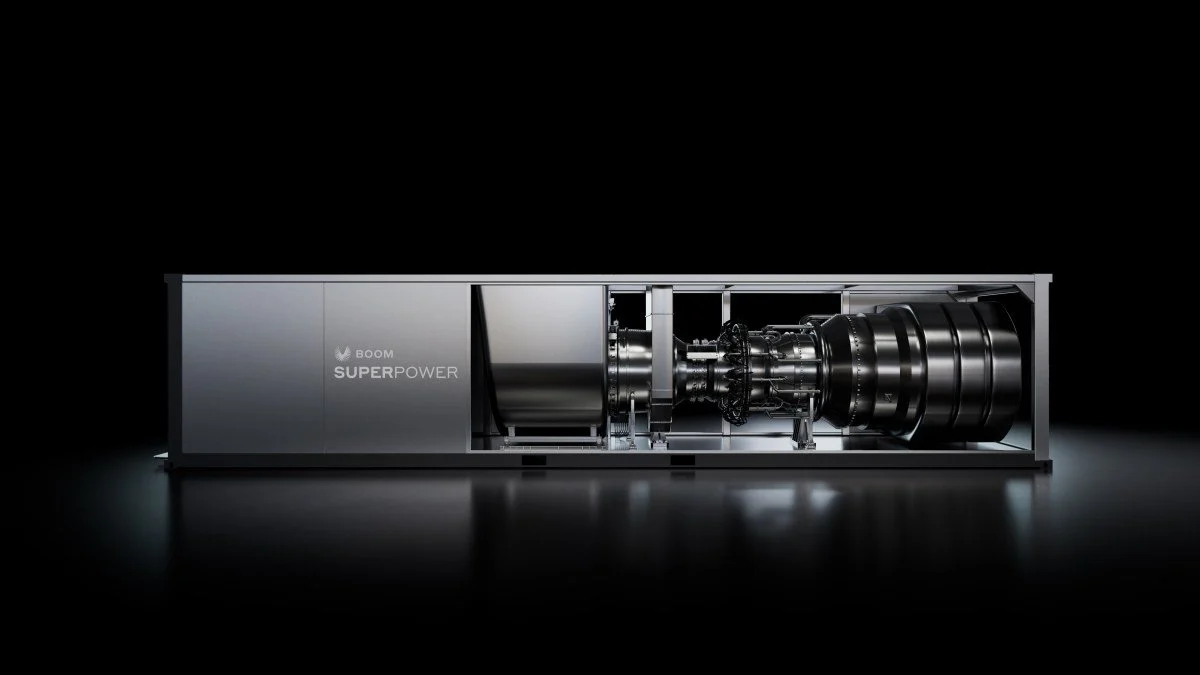
Crusoe, an AI data center startup based in Denver, has decided not to proceed with a $1.25 billion agreement to use Boom Supersonic's gas-fired Superpower turbines. Initially, Crusoe was set to be the first customer for these turbines, which share components with Boom's supersonic jet engine. However, the companies announced on social media that the partnership for launching the turbines is no longer viable.
Crusoe has rapidly transitioned from its beginnings in bitcoin mining to becoming a major player in AI infrastructure, supplying computing capabilities to companies like OpenAI. Despite abandoning the turbine plan, Crusoe remains committed to exploring various energy sources, including wind, solar, and batteries.
Limits and availability
The cancellation of the turbine partnership means that Crusoe will not incorporate these natural gas power plants into their current facilities, including the large campus in Abilene, Texas. Boom Supersonic, on the other hand, continues to pursue other clients for its turbine technology, planning to deliver significant power capacities in the future.
While the turbines were initially seen as a primary energy source, Crusoe's spokesperson indicated flexibility in their energy strategy as they adapt to evolving needs across their expanding AI operations.
Original source
This report summarises the source below. Analysis is labelled separately; product and research claims remain attributed to their source.
Read the original at TechCrunch AI